
· Halcyon Hilltop
Holistic and alternative healing retreats in New Jersey
Breathwork, sound, movement and stillness, held by skilled people. What a holistic retreat can offer, what the evidence says, and the questions worth asking first.
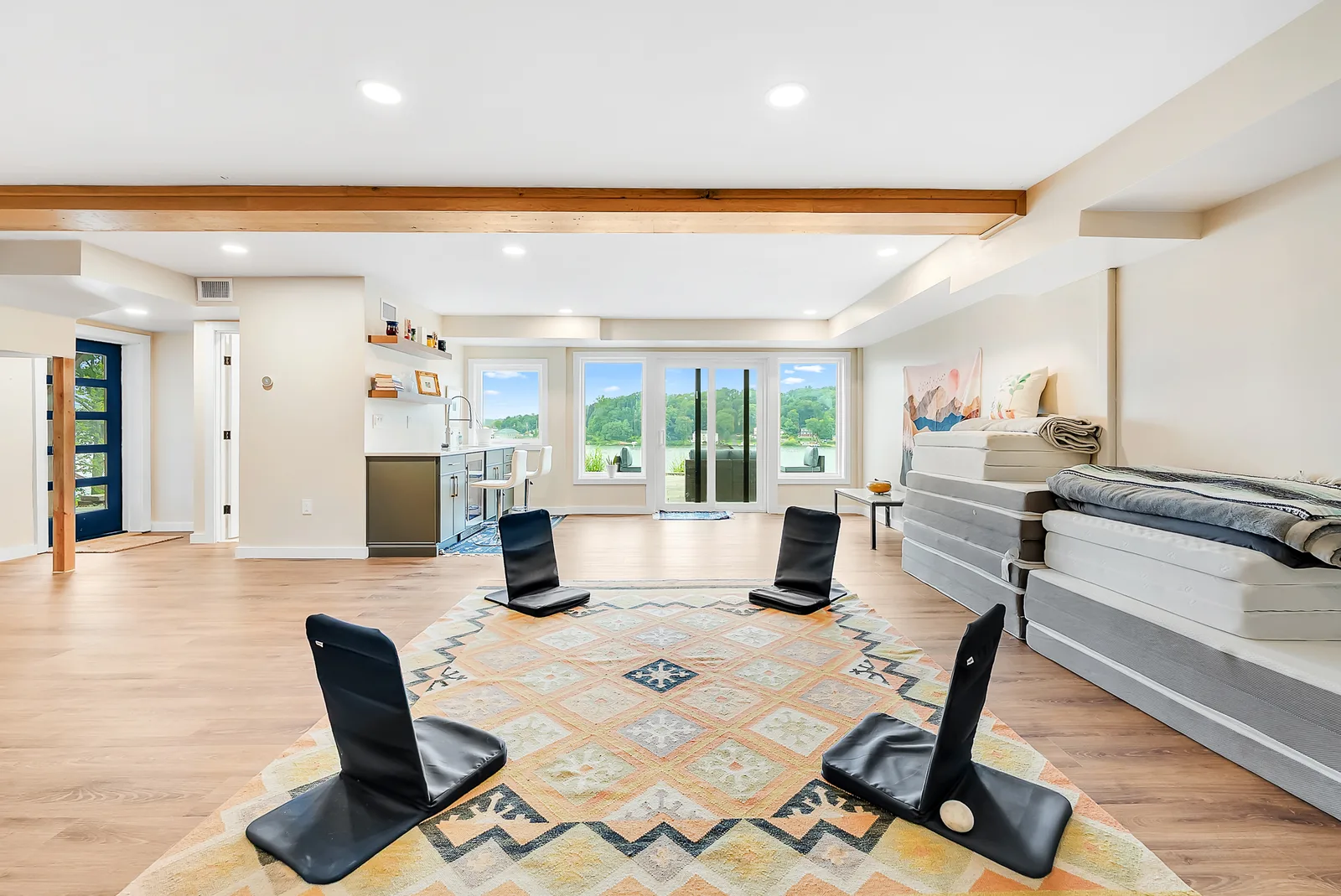
A holistic healing retreat brings practices for body and mind together in one quiet place: breathwork, meditation, yoga, sound baths, somatic movement, rest and good food. In New Jersey you can find them at resorts, studios and private retreat houses. The best ones work alongside medical care, never in place of it.
People search for these retreats under many names: holistic, alternative medicine, integrative, healing, mind and body. The words matter more than they seem, so it is worth starting there.
Holistic, alternative, integrative: what the words mean
The National Center for Complementary and Integrative Health, part of the US National Institutes of Health, draws a clear line. A non-mainstream approach used together with conventional medicine is complementary. One used in place of conventional medicine is alternative. Integrative health brings conventional and complementary approaches together in a coordinated way, treating the whole person.
Most good retreats are, in that sense, complementary. Breathwork, yoga and a sound bath sit happily alongside whatever care you already have. Be cautious of any retreat that asks you to set that care aside.
What happens on a holistic retreat
The practices vary, but most retreats draw on a familiar set:
- Breathwork: guided breathing patterns, usually slow and deliberate, sometimes more active.
- Meditation: guided or silent, often the quiet center of the day.
- Yoga: movement and stretching scaled to the people in the room.
- Sound baths: lying still while a practitioner plays singing bowls, gongs or other instruments.
- Somatic and movement work: practices that start from sensation in the body rather than from thought.
- Rest, food and time outdoors: the parts that are easiest to undervalue.
At Halcyon, each of these is led by an independent practitioner and chosen by the group. See them on our experiences page.
What the research says, honestly
Some of these practices have real, if modest, evidence behind them; others have very little. It is worth knowing which is which.
Breathwork has some of the clearer findings. In a 2023 Stanford study, people who spent five minutes a day on cyclic sighing, a pattern built around a long, slow exhale, reported a bigger lift in mood than people who meditated for the same time. A broader review found that breathing slower than about ten breaths a minute goes along with higher heart rate variability, a common marker of the body at rest.
Sound baths are thinner. One study of 62 adults found people reported less tension, fatigue and low mood after a singing bowl meditation, but it had no comparison group, so it cannot show the bowls caused the change.
Time in nature has a large, if observational, study behind it: among about 20,000 people in England, those who spent at least two hours a week in nature were more likely to report good health and wellbeing.
None of this makes any of these practices a treatment, and we do not offer them as one. It does suggest that a quiet weekend of breathing, listening and walking is a reasonable thing to want.
Is a holistic retreat a mental health retreat?
Not in the clinical sense. People often search for a mental health retreat in NJ when what they need is either rest or treatment, and it helps to be clear which. A wellness or holistic retreat offers rest, practice and support from skilled people. It does not diagnose or treat anything, and it is not usually covered by health insurance.
If you are living with a mental health condition, a retreat can sit alongside your care, and it is worth telling your clinician you are going. If you need treatment, look for licensed clinicians. At Halcyon, clinical therapies such as ketamine-assisted psychotherapy are provided only by our licensed partner, Presence of Mind Therapy, led by Maureen Lennon-Schafer, LCSW. Halcyon itself does not provide medical services. If you are in crisis, call or text 988.
What a holistic retreat day looks like
There is no single template, but a gentle day often follows the light. A short guided meditation or breathwork session in the morning, before anyone has looked at a phone. A slow breakfast. Movement before lunch: yoga, or a somatic class that is more about noticing than stretching. A long midday meal, then an afternoon with nothing in it, which most people find harder and more useful than they expect. A sound bath as the evening comes in, and an early night.
The common thread is pace. Holistic practice is less about any one technique than about giving the body enough quiet, for long enough, to settle. That is why the setting matters: water, trees and a room where nobody is in a hurry do a good part of the work.
A group can make the day busier or emptier. Some guests book a session every few hours; others book one and spend the rest of the time on the porch. Both are retreats.
How to choose a practitioner
The practitioner matters more than the setting. Before you book any holistic retreat, ask:
- What is their training, and where did they get it? Credentials vary widely between practices.
- Can you speak to them before you commit? A good practitioner will want to know who is coming.
- Do they ask about your health? Breathwork and some movement practices are not right for everyone; a careful practitioner asks.
- What do they promise? Look for people who describe what they do, not what it will cure.
- Will they adapt? A session should fit the people in the room.
Sound baths and breathwork near Morristown
Many people first find sound healing or breathwork at a studio near home, in Morristown, Montclair or Summit, and then want a longer, quieter version of it. Halcyon is in Mount Arlington, a short drive west of Morristown, on Lake Hopatcong. Sound healing at the house is led by practitioners including Kathy Martin, Vincent Matyi and Stacey Friedman; somatic and movement work by Jessica Chung and Gabrielle Salerno. See everyone on the practitioners page.
A holistic retreat at Halcyon
The retreat space hosts one group at a time, up to 15 guests, for a day or up to three nights. You choose the practices; the practitioners lead them; the lake does the rest. Read more about wellness retreats in New Jersey at the house, or start composing a retreat to see current rates.
This article is general information, not medical advice. If you are in crisis, call or text 988.
Questions
What is the difference between holistic and alternative medicine?
Holistic describes an approach that looks at the whole person. In the NIH's terms, an approach used together with conventional medicine is complementary, and one used in place of it is alternative. Integrative care brings the two together in a coordinated way.
Are there holistic retreats in New Jersey?
Yes. Resorts such as Crystal Springs offer meditation, breathwork and sound healing; studios such as Sanctuary by the Sea in Point Pleasant offer yoga therapy and Ayurveda; and private retreat houses such as Halcyon on Lake Hopatcong host practitioner-led retreats.
Is a wellness retreat covered by insurance?
Usually not. A wellness or holistic retreat is not medical treatment. Check with your insurer about any clinical service you are considering.
Does Halcyon provide medical or mental health treatment?
No. Halcyon does not provide medical services. Clinical therapies are available separately through our licensed partner, Presence of Mind Therapy.
Is breathwork safe for everyone?
Not for everyone. Some breathing practices are not suitable during pregnancy or with certain heart, lung or seizure conditions. Tell your practitioner about your health, and ask your doctor if you are unsure.
Calm you can book.
Build your retreat